
ZAMBI2026
July 6-9, 2026
Dalhousie University, Halifax, Nova Scotia
Dalhousie University, Halifax, Nova Scotia
| Home | Posters | Program | Directions | Sponsorship |
| Participant Arrival | |
| 14:00 | Registration Opening |
| 15:00–17:30 | Parallel Training Workshops |
|
Research Data Management (Robert Beiko | Ben Fisher) Rowe 1009 |
|
| Ensuring your data is FAIR (Findable, Accessible, Interoperable, and Reusable) is essential in today's data-driven research environment. This workshop will introduce you to the tools and techniques of Research Data Management (RDM) to manage data and guarantee reproducibility. You will learn the theory and technical implementation of RDM through a combination of expert-led lectures and hands-on lab exercises. It will cover RDM foundations, version control, machine-actionability and data discovery. |
|
How to Peer Review (Craig McCormick | Shannen Grandy) Rowe 1011 |
|
| Effective peer review is an essential skill for critically engaging with the scientific literature and improving your own writing. Trainees will receive a lecture on how to conduct a review of a manuscript and then have the opportunity to work in small groups to assess a pre-print from BioRxiv. At the end of the session, the critiques from all groups will be compiled and summarized into a peer review document by the leaders of the session and posted to zenodo. |
| 19:00–21:30 | Networking Reception |
| McInnis Room - Student Union Building | |
| A networking event where trainees rotate in small groups through tables hosted by faculty mentors, allowing for focused conversations and diverse connections in a structured format. |
| 08:30–09:30 | Welcome & Opening Presentation |
|
Scotiabank Auditorium Chairs: Finlay Maguire |
|
Opening PrayerElder Ann LaBillois
|
|
Mu Punkmutnaluk Nkwe'ji'jna'qNo More Stolen Sisters
Mu Punkmutnaluk Nwe’ji’jna’q (No More Stolen Sisters) is a Dalhousie-based group of Indigenous women and 2SLGBTQ+ students formed in 2021. Mu Punkmutnaluk Nwe’ji’jna’q was founded with the primary objective of remembering and demanding justice for missing and murdered Indigenous women, girls, and those two-spirited (MMIWG2S). The group regularly organizes marches for MMIWG2S on Dalhousie campus and shares MMIWG2S case studies and statistics over social media, while also fostering a safe and supportive space for Indigenous students to connect and participate in cultural activities on campus. Since 2021, the group’s activism has also expanded to other Indigenous issues, including environmental issues as well as colonialism and genocide abroad. Indigenous Representation and Perspectives in One Health Research AbstractHistorically, Canadian Indigenous peoples have been subjected to violations of their human rights and dignity in the name of advancing scientific research. This has led to a sense of distrust within Indigenous communities towards researchers, and hesitancy towards research participation. This is exacerbated by the fact that Indigenous peoples are underrepresented in the research community, and those who are involved in research are often displaced and disconnected from their home communities. In this talk, Mu Punkmutnaluk Nkwe’ji’jna’q (No More Stolen Sisters) Indigenous women’s group will discuss the historic injustices and barriers contributing to the lack of Indigenous representation in research, as well as how Indigenous perspectives can be used to inform research and make research more inclusive towards Indigenous communities. Specifically, we will explore the concept of Etuaptmumk (Two-Eyed Seeing), an approach to learning and research introduced by Mi’kmaw Elders Dr. Albert Marshall and Dr. Murdena Marshall, which combines the lenses of traditional Indigenous knowledge and Western science. We will also discuss the Mi’kmaw concept of Msit No’kmaq (All My Relations) and compare this to the One Health approach to research. |
| 10:00–11:00 | Opening Keynote |
|
Scotiabank Auditorium Chairs: Finlay Maguire |
|
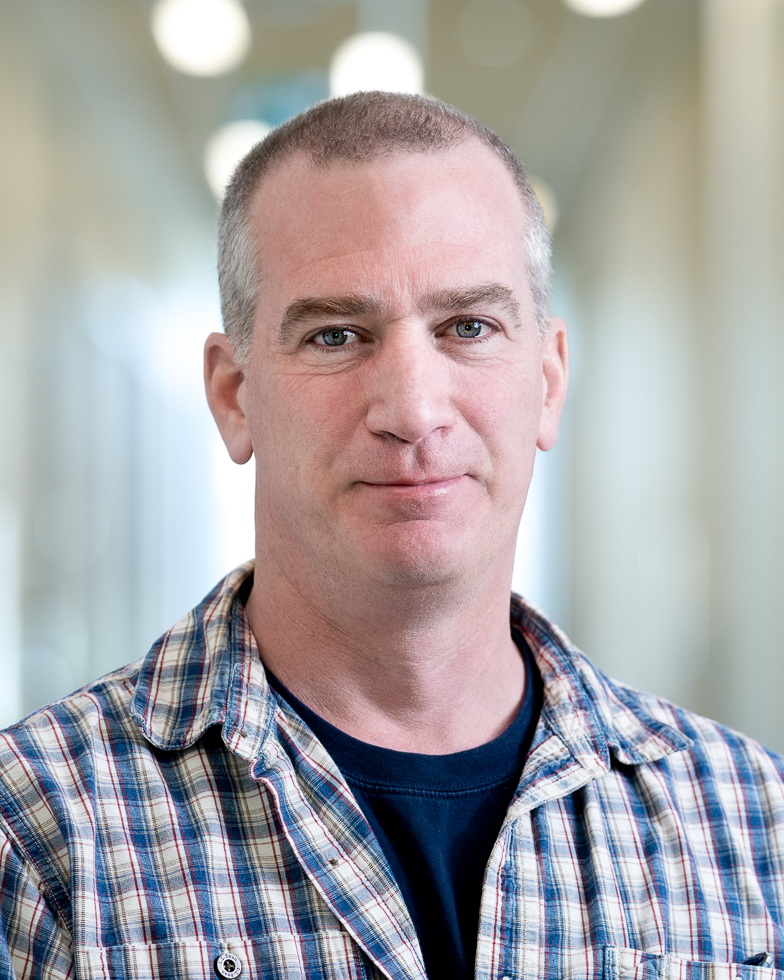
Andrew LangMemorial University of Newfoundland
Biology Andrew Lang received a BSc (Honours) in Biochemistry from Brock University in 1994 followed by a PhD in Microbiology from the University of British Columbia in 2000. After postdoctoral research positions at UBC and the University of Alaska Fairbanks, they joined the Department of Biology at Memorial University of Newfoundland in 2006. Their research lab studies a variety of topics within microbiology. One focus is wildlife microbiology, which includes studying avian influenza viruses and antimicrobial-resistant Escherichia coli in wild birds. Roles of Wild Birds in the Dissemination of Viral Zoonoses and Antimicrobial-Resistant Bacteria AbstractIn this presentation I will focus on wild birds and their role in the circulation and dissemination of highly pathogenic avian influenza viruses and antimicrobial-resistant Escherichia coli. Starting in late 2021, there have been repeated introductions of H5 highly pathogenic avian influenza viruses into North America from Eurasia across both the Pacific and Atlantic routes. One introduction was of an H5N5 strain, known as A6, that was first detected in Newfoundland in 2023 and subsequently dispersed throughout Atlantic Canada and into Quebec with a notably high proportion of detected infections in terrestrial mammals. This strain seemed to go largely undetected elsewhere before causing a human fatality in Washington State in November 2025. In addition to viral zoonoses, wildlife are also reservoirs for antimicrobial-resistant bacteria. We have used a culture-based approach to isolate antimicrobial-resistant E. coli from wild birds in Newfoundland, followed by phenotypic and genomic characterization of isolated strains. Overall, wild birds in this region were found to be reservoirs of genetically diverse antimicrobial-resistant and potentially pathogenic E. coli. Strains isolated from birds with greater use of anthropogenically affected environments were more diverse, had higher rates of resistance, and were resistant to more compounds than those from birds that use more pristine environments. The studied bird species make significant local and migratory movements and likely serve as important vectors for the dissemination of these bacteria across broad geographic scales. |
|
| 11:00–11:15 | Coffee & Tea Break |
| McCain Atrium |
| 11:15–12:45 | Emerging Topics |
|
Scotiabank Auditorium (25 minute talks) Chairs: Jane Parmley, Ash Porter |
|
Deanna TaitDalhousie University
Avian Influenza A (H5Nx) Zoonoses in North America: A Genome-Wide Association Study of Host Determination AbstractHighly pathogenic avian influenza H5Nx clade 2.3.4.4b was introduced to North America in 2021, causing widespread illness in domesticated and wild animals. Although the current burden of human disease is low (74 human cases across Canada, the United States and Mexico), avian influenza has a high historical case fatality rate. Additionally, clade 2.3.4.4b represents a critical pandemic concern due to its unprecedented mortality in wild birds and expanded mammalian host range. This study will explore the genomic basis of this range by identifying mutations significantly associated with sampled hosts. These putative host-determining mutations will inform risk assessment of emerging H5Nx lineages and direct the functional characterization of key mutations. 18,460 complete H5Nx genomes were extracted and cleaned from public repositories, NCBI and GISAID. Given the presence of 253 H5Nx host labels, we first sought to empirically combine species into host groups sharing viral adaptations. Hosts were combined based on their co-occurrence in InfoMap and Spectral clusters based on viral genetic distances. Unfortunately, this yielded groupings not supported by the literature (e.g., foxes with ducks) suggesting host group determination likely would benefit from incorporating host evolution and ecology. Using host taxonomic orders instead, we then performed genome-wide association studies using pyseer and treeWAS across all eight genome segments. Preliminary results indicate the presence of mutations significantly associated with the majority of host orders. Future work will use PRSice to calculate the polygenic risk score using significant mutations across segments to identify viruses with the greatest risk of infecting hosts’ taxonomic order. |
|
Laura BuddUniversity of Calgary
Ecological Drivers of Sin Nombre Virus: Agricultural Disturbance Shapes Host Communities and Viral Prevalence AbstractSin Nombre Virus (SNV), a rodent-borne zoonotic hantavirus, causes Hantavirus Cardiopulmonary Syndrome (HCPS) in North America. Deer mice (Peromyscus maniculatus), the primary reservoir, inhabit diverse environments, including peridomestic and agricultural habitats where most HCPS cases are acquired. While SNV prevalence and HCPS outbreaks can sometimes be predicted by climate and vegetation changes in natural systems, these relationships are poorly understood in agricultural settings. Agricultural disturbances, such as harvesting and grazing, alter vegetation structure, impacting small mammal community composition, population dynamics, and movement, and potentially altering SNV transmission risk. We conducted a multi-season capture-mark-recapture study across crop fields, hay fields, and cattle pastures in Alberta, Canada to assess how land-use type and disturbance regime influence small mammal community composition, host abundance, and SNV prevalence. Deer mice and meadow voles (Microtus pennsylvanicus) dominated communities, but relative abundance varied by field type. Crop fields were almost exclusively inhabited by deer mice, whereas meadow voles dominated pastures. Across all field types, deer mouse abundance consistently peaked with vegetation cover. In 2024, SNV was only detected in deer mice inhabiting crop fields late in the growing season. Highest SNV prevalence followed both peak deer mouse abundance and harvesting disturbance. These findings identify post-harvest crop fields in early fall as high-risk settings for SNV occurrence. By linking agricultural disturbance, host ecology, and pathogen surveillance, our research demonstrates a One Health approach to zoonotic risk assessment. Our findings demonstrate how specific farming practices shape disease risk, providing insights for targeted SNV surveillance and mitigation in agricultural landscapes. |
|
Clare Maristela GalonUniversity of Alberta
Antifungal tolerance and resistance dynamics depend on drug class, infection load, and innate immunity AbstractAntimicrobial resistance (AMR) in emerging pathogens such as Candida auris (C. auris) poses a major global health threat, yet treatment failure is often driven not only by genetic resistance but also by transient antifungal tolerance. Here, we develop a deterministic population-level model to investigate the coupled dynamics of susceptible, tolerant, and resistant C. auris subpopulations under antifungal treatment and innate immune pressure. The model incorporates drug class (static vs. cidal), infection load, and immune activity to quantify their combined effects on population dynamics, resistance emergence, and infection clearance. Our results show that antifungal tolerance dominates early treatment dynamics across a wide range of conditions, frequently acting as the primary surviving phenotype and a reservoir for subsequent resistance evolution. High infection loads delay clearance and promote phenotypic diversification, while stronger innate immunity accelerates population collapse and suppresses both tolerance and resistance. We further identify drug-dependent differences: static drugs promote rapid tolerant expansion followed by resistance, whereas cidal drugs delay resistance emergence but sustain prolonged tolerance. Importantly, increasing drug concentration yields diminishing returns beyond a threshold, with limited impact on long-term evolutionary outcomes. These findings highlight that treatment efficacy depends critically on the interplay between drug action, infection burden, and host immunity. Our work suggests that strategies enhancing immune–drug synergy may be more effective than dose escalation alone. This framework provides quantitative insight into antifungal treatment failure and offers guidance for optimizing therapeutic interventions against multidrug-resistant fungal infections. |
| 12:45–13:30 | Lunch |
| McCain Atrium |
| 13:30–14:30 | Bioinformatics Practice and Methodologies |
|
Scotiabank Auditorium (25 minute talks) Chairs: Natalie Diether, Robert Beiko |
|

Gustavo Sganzerla MartinezDalhousie University
Predicting the Function of DNA sequences: CDBProm v2.0 The comprehensive directory of bacterial promoters AbstractThe first iteration of the Comprehensive Database of Bacterial Promoters (CDBProm) featured a large-scale database of predicted promoter sequences from bacterial genomes obtained by an ensemble of XGBoost classifiers. In its second iteration, CDBProm v2.0 introduces a post-hoc calibration framework of the core classifier proposed in the original CDBProm. By implementing an out-of-fold Isotonic Regression step, we mapped the classification margins back to true empirical frequencies, reducing global predictive risk and calibration error. CDBProm v2.0 delivers an updated predictive tool mapped to a reliable probabilistic universe. CDBProm v2.0 is free to use and fully open access (https://cdbprom2-iimas.unam.mx) and provides a modern framework for understanding bacterial transcription regulation and annotating genomes. |
| 14:30–15:00 | Coffee & Tea Break |
| McCain Atrium | |
| 15:00–16:30 | Parallel Sessions (12 minute talks) |
|
Zoonotic Pathogens (Scotiabank Auditorium) Chairs: Andrew Lang, Craig McCormick |
|
|
|
|
Data and Machine Learning (Ondaatje Theatre) Chairs: Gustavo Sganzerla Martinez, Jason Shao |
|
|
| 16:30–17:30 | Evening Plenary |
|
Scotiabank Auditorium Chairs: Herman Barkema |
|

Jennifer Geddes-McAlisterUniversity of Guelph
Molecular & Cellular Biology Dr. Jennifer Geddes-McAlister is the Canada Research Chair in the Proteomics of Fungal Disease in One Health and an Associate Professor. Her innovative and interdisciplinary research program applies state-of-the-art mass spectrometry-based proteomics and computational biology to tackle fungal diseases across four pillars: i) prevention, ii) diagnostics, iii) monitoring, and iv) treatment, for improved global health. Dr. Geddes-McAlister is recognized as a world leader in proteomics and infectious disease research with over 100 publications, election to the Royal Society of Canada – College of New Scholars, Artists, and Scientists, seven early career researcher awards, an alumni achievement award, and national and international mentorship awards. She is President of the Canadian National Proteomics Network, Vice President of the Human Proteome Organization, co-founder of the Canadian Artificial Intelligence and Mass Spectrometry for Systems Biology (CAN-AIMS) Consortium, Associate Editor for the Journal of Proteome Research, Secretariat for the Humboldt Association of Canada, and founder of ‘Moms in Proteomics’ an international initiative dedicated to recognizing and supporting mothers in STEM. From Spectra to Solutions: Proteomics at the Forefront of Fungal Infection, Immunity, and Resilience AbstractFungal diseases impact the lives of millions of people across the globe ranging from superficial to systemic infections. Treatment options toward fungal diseases are limited given the emergence of new pathogens with intrinsic resistance and heightened evolution toward resistant strains. To effectively combat fungal disease, my research team harnesses the cutting-edge power of mass spectrometry-based proteomics integrated with advanced bioinformatics. By identifying protein drivers of fungal disease, we can provide new biological insights across four pillars of research: i) Prevention, ii) Diagnostics, iii) Monitoring, and iv) Treatment. For prevention, we disrupt critical proteins and pathways to weaken the pathogen and prevent infection; for diagnostics, we define dual-perspective protein production signatures—spanning both host and pathogen—across spatial and temporal dimensions to enable precise diagnostic and prognostic insights. For monitoring and treatment, we explore host-pathogen interactions at the protein level, uncovering novel druggable targets essential for therapeutic innovation, and we combat antifungal resistance through protein targeting to restore the efficacy of existing antifungal drugs. Together, our integrated proteomics-driven approach offers transformative solutions to fungal disease management with the goal of advancing global health initiatives. |
| 19:00–21:00 | Poster Session |
| Evening poster presentations. | |
| McInnis Room - Student Union Building |
| 9:00–10:00 | Opening Plenary |
|
Scotiabank Auditorium Chairs: Robert Beiko, Ben Fisher |
|

Natalie DietherDalhousie University
Agriculture Dr. Diether is an Assistant Professor in the Department of Animal Science and Aquaculture at Dalhousie University. Her research program is focused on the function of the gut microbiota and microbial metabolism in the health of production animals. Her work places emphasis on mechanistically-informed dietary strategies and interventions that address challenges in health, productivity, and sustainability, thereby reducing reliance on antimicrobials. Dr. Diether received her PhD in Animal Science from the University of Alberta in 2023, following an MSc and BSc in Agriculture (Animal Science). Her doctoral research used multi-omics techniques to investigate how dietary components shape gut microbial metabolism and host physiological responses in weaned pigs. Following her PhD, she worked as a Research Program Officer for Results Driven Agriculture Research before joining Dalhousie in 2024. From Lab to Barn: targeting gut microbial metabolites as antibiotic alternatives Abstract |
|
| 10:10–10:30 | Coffee & Tea Break |
| McCain Atrium |
| 10:30–12:00 | Microbial Eukaryotes and Microbiomes |
|
Scotiabank Auditorium (25 minute talks) Chairs: Vanessa DeClercq, Robert Beiko |
|
Shannon SibbaldDalhousie University
Pangenome biology and evolution of microbial eukaryotes and their viruses AbstractIn prokaryotes lateral gene transfer (LGT) drives intraspecific variation in gene content and the formation of pangenomes. In microbial eukaryotes, however, the extent to which LGT contributes to pangenome structure remains unclear. Given the diversity of viruses that infect protists, viruses have been hypothesized to mediate LGT in eukaryotes, and evidence for virus-mediated gene exchange has been found in several protist species. To investigate the interplay between LGT, pangenome evolution and viral interactions in microbial eukaryotes, we generated high-quality, long-read sequencing based genome assemblies for stramenopiles; this includes pelagophytes, including multiple strains of the harmful algal bloom-forming species Aureococcus anophagefferens, and diverse thraustochytrids – a phylum recently identified as a natural host for newly discovered mirusviruses and other giant viruses. Comparative genomics and phylogenetics reveled remarkable strain level genetic variation in A. anophagefferens, with a pangenome comprised of 23,356 orthogroups (81.1% core, 18.9% accessory). Although gene content variation does not appear to be primarily driven by recent prokaryotic LGTs (2.6% of accessory orthogroups), we identified 368 orthogroups of bacterial origin that were acquired in a common ancestor of all analyzed strains and were not found in other pelagophyte algae, suggesting a role in the ecological success and bloom persistence of Ac. anophagefferens. We also find some evidence for viral involvement shaping strain-level genomic variation in pelagophytes. Finally, we establish an initial comparative framework for thraustochytrids genome evolution and their virus-host interactions, including the existence of a viral-pangenome within this system. |
|
Samantha BealDalhousie University
Untangling ecological interpretations from amplicon sequence variant uncertainties AbstractInferring species presence from the genetic material they leave behind in the environment has revolutionized biodiversity monitoring. This technique, known as environmental (e)DNA analysis, offers a non-invasive alternative to traditional methods and can be applied to a wide range of taxa. The use of universal primers (“metabarcoding”) allows multiple species to be detected from a single analysis, thereby offering avenues to assess community composition. One of the largest benefits of eDNA analyses, however, can also be one of its largest challenges: a lack of visual confirmation. This challenge is compounded by the nature of eDNA, which often exists in low concentrations and is susceptible to environmental degradation. Determining ecological realities from metabarcoding data requires careful interpretation of obtained eDNA sequences, particularly when a single amplicon sequence variant (ASV) matches to multiple plausible species. In this talk, I will discuss the specific bioinformatic thresholds and manual checks I employ in my research examining fish community composition in coastal ocean and freshwater ecosystems. |
|
Alexander Mora CollazosDalhousie University
Decoding Microeukaryote Microbiome Interactions: Implications for Marine Ecosystems and Biotechnological Potential AbstractAlthough microorganisms are central to all ecosystems, their symbiotic relationships and ecological roles remain poorly understood. This work explores microbial interactions and how they shape ecosystems and offer biotechnological potential. Using a multidisciplinary and multi-omics approach, we explored the composition and function of the bacterial microbiome associated with O. marina. Microbiome and metagenomic analyses were employed to identify microbiome composition, while classical microbiology combined with whole-genome sequencing enabled in-depth characterization of culturable microorganisms. Interactions between host and microbiome were examined through chemotaxis, co-culture experiments, metabolic network predictions, and RNA-seq–based differential gene expression analyses. Results revealed that the microbiome of O. marina comprises more than 100 bacterial species. Behavioral assays revealed that O. marina displayed both attraction and avoidance responses depending on the bacterial partner. Growth in co-culture also varied, with some bacteria negatively affecting host performance, suggesting that these microbiomes rely on a finely balanced composition rather than simple mutualism. Metabolic predictions and gene expression analyses point to complex interactions driven by complementary metabolic pathways between organisms. Additionally, genomic analysis of culturable bacteria uncovered a wide range of potential applications, including the production of antifungal compounds, degradation of hydrocarbons and phthalates, reduction of heavy metals, biomineralization processes, and the synthesis of essential cofactors and vitamins such as cobalamin. This work suggests that microbiomes associated with microeukaryotes are far more complex than previously recognized. They represent rich reservoirs of microbial diversity with significant biotechnological potential and may play essential roles in the modulation, transformation, and resilience of marine ecosystems. |
| 12:00–12:45 | Lunch |
| McCain Atrium |
| 12:45–13:45 | Pathogen Preparedness and Diagnostics |
|
Scotiabank Auditorium (25 Minute Talks) Chairs: Amy Lee, Finlay Maguire |
|
Tamer AbdElWahabMcGill University
36 minutes sample-to-answer Multiplexed pathogen diagnostics using a plasmonically enhanced microfluidic system. AbstractPathogen diagnostics are fundamental to clinical decision-making, enabling targeted therapeutic interventions through accurate identification of infectious agents and assessment of antimicrobial resistance (AMR). Traditionally, the diagnostics pipeline required 48-72 hours, due to reliance on culture-based techniques that involve multiple overnight incubation steps, which delays treatment in critical cases. Here, we leverage a plasmonically enhanced microfluidic platform integrating loop-mediated isothermal amplification (LAMP), broth microdilution (BMD), and nanostructure-enabled sensing for rapid and multiplexed bacterial identification and phenotypic AMR screening. The Plasmonic elements accelerate the LAMP and BMD assay kinetics via novel optical phenomena, including plasmonic catalysis and structural colorimetry, achieving a sample-to-answer time of 36 minutes. The system identification performance was validated with LAMP assays targeting Escherichia coli, Enterococcus spp., Pseudomonas aeruginosa, Staphylococcus aureus, Streptococcus agalactiae, and Streptococcus pneumoniae. In parallel, on-chip BMD assays were evaluated against a panel of 12 antibiotics using both Gram-positive and Gram-negative strains. The platform demonstrated 100% identification concordance and 100% essential agreement in AMR profiling relative to gold-standard MALDI-TOF and conventional BMD assays. Overall, this work establishes a rapid, accurate, and scalable diagnostic platform that significantly reduces turnaround time while maintaining gold-standard performance. |
|
Faustin FarisonUniversité de Montréal
Biosecurity profiles of Canadian dairy farms identified using ensemble clustering AbstractBackground: In livestock farming, variability in the implementation of biosecurity practices influences disease prevention and control. Clustering techniques can identify groups of farms with similar implementation patterns. Our objective was to identify biosecurity implementation profiles among Canadian dairy farms using ensemble clustering. Material and Methods: A cross-sectional study was conducted on 346 Canadian dairy farms between 2022 and 2023. Biosecurity practices were assessed using the Risk Assessment Questionnaire (RAQ), conducted as part of the proAction program, which evaluates the implementation of biosecurity practices using four categorical levels (never, sometimes, often, and always). Additional farm demographic and management characteristics were collected during study visits. A total of 296 farms with available RAQ data were included (176 Québec, 70 Ontario, and 50 Alberta). Multiple clustering solutions derived from dimensionality reduction and clustering algorithms were integrated within an ensemble framework using consensus clustering. Results: Ensemble clustering identified three biosecurity implementation profiles. Profile A (n=146) showed frequent implementation of multiple practices and included farms from all three provinces. Profile B (n=71) showed selective implementation, with some practices strongly represented while others—particularly disease-management practices—were frequently absent, and included only farms from Ontario and Alberta. Profile C (n=79) showed limited implementation and was composed almost exclusively of Québec farms. Housing type and milking system differed across profiles. Conclusion: Identifying biosecurity implementation profiles provides a structured way to interpret RAQ results and highlights heterogeneity in on-farm practices. These profiles may support risk-based animal movement decisions by complementing individual animal testing with farm-level biosecurity data. |
| Agricultural Campus and Conference Dinner (Optional) | ||||||||||||||
|
||||||||||||||
|
Dalhousie's Agricultural Campus in Bible Hill incorporates a working research farm. Attendees will get real-world experience of working biosecurity through guided tours and associated expert talks which bridge theory and practice. The trip culminates in our conference dinner showcasing the local agricultural produce, celebrating the connection between sustainable farming and One Health research.
Separate Registration Required |
| 8:30–9:00 | Career Talk |
|
Scotiabank Auditorium Chairs: Rob Beiko |
|

Alex ManueleBenchsci
From academia to industry: Reflections from a bioinformatician turned software engineer AbstractMany researchers and trainees wonder how their skills and experience would translate to careers in the private sector. Drawing on my experience transitioning from academia to a senior software engineering role, this presentation will explore the opportunities available to individuals with research backgrounds and the skills that contribute to success in both academic and industry environments. I will discuss examples of research and development work in corporate settings, compare how expectations, incentives, and measures of success differ between academia and industry, and highlight the often under-valued “soft skills” of communication, problem-solving, and collaboration that are developed through research training. Finally, I will examine how generative AI is reshaping day-to-day work in software engineering and consider what these changes may mean for researchers and computational scientists pursuing careers in technology. |
| 9:00–10:00 | Opening Plenary |
|
Scotiabank Auditorium Chairs: Cécile Aenishaenslin |
|
Maureen MurrayLincoln Park Zoo
Urban Wildlife Institute Dr. Maureen Murray is the Assistant Director of One Health at Lincoln Park Zoo’s Urban Wildlife Institute in Chicago. She combines social science and wildlife disease ecology to understand the health impacts of human-wildlife interactions to promote public health and biodiversity in cities. The Chicago Rat Project: A One Health approach to understanding drivers of urban leptospirosis AbstractLeptospirosis, a fatal rat-associated disease, is the most widely distributed zoonoses on earth and may be increasing with global changes in urbanization and climate. Although leptospirosis is relatively rare in North America, in 2025 a health alert was issued in Chicago, the “rattiest city in America” from 2015 – 2025. In this talk, I will discuss diverse studies on leptospirosis risk under the Chicago Rat Project, an interdisciplinary effort to understand vulnerable communities and disease mitigation strategies. This approach has revealed environmental and management factors associated with rat infection as well as social factors associated with human risk. Through these projects, I will share lessons learned about the benefits of a One Health approach with multi-sector partnerships to create healthier cities for people and wildlife. |
|
| 10:00–10:30 | Coffee & Tea Break |
| 10:30–12:00 | Applied One Health Research Presentations |
|
Scotiabank Auditorium (25 minute talks) Chairs: Zhenyu Cheng |
|

Amy GillgrassDalhousie University
Amy Gillgrass is an Assistant Professor in the Department of Microbiology and Immunology that moved to Dalhousie University in 2025. Dr. Gillgrass attained her PhD from McMaster University and worked in biotech for several years at Turnstone Biologics before starting her lab at McMaster University (2019). Dr. Gillgrass’ research is focused on utilizing next-generation humanized mouse models to investigate infectious disease and cancer. Using these mice, Dr. Gillgrass’ lab has established models of HIV, TB and HIV/TB co-infection to explore pathogenesis, therapeutics and vaccination in the context of human immune cells. Based on the innovative nature of her program, Dr. Gillgrass has received the E.J. Moran Campbell Early Career Research Award and the Bhagirath Singh Early Career Award in Infection and Immunity from CIHR. Investigating immune responses in infectious disease and vaccination using next-generation humanized mouse models AbstractTuberculosis (TB), caused by mycobacterium tuberculosis (Mtb), is the number one infectious disease killer and is the most common cause of death in people living with HIV (PLWH). HIV and TB co-infection place an immense burden on health care systems as they act in synergy to worsen each other’s disease prognosis. Another factor complicating TB care is the increasing prevalence of multi- and extensively-drug resistant TB (MDR/XDR). While HIV and TB are endemic in sub-Saharan Africa, they also disproportionately affect marginalized populations in Canada. Unfortunately, the only licensed TB vaccine, BCG, doesn’t protect from adult pulmonary TB and is not recommended for PLWH. The best way to prevent the emergence of MDR/XDR TB is to develop novel efficacious TB vaccines, which are safe and effective to use in those who are highly at risk. Next-generation humanized mice are ideal models to research this as they recapitulate a more complete human immune response and can be successfully infected with HIV, TB and HIV/TB. We have found that they recapitulate many aspects of human HIV and TB disease pathology. We investigated the immunogenicity and protection efficacy of a next-generation respiratory mucosal trivalent chimpanzee adenoviral-vectored vaccine (Tri:ChAd:TB) in naïve and HIV-infected humanized mice. When immunizing naïve mice, a trend of increased Mtb-specific CD4+ T cells producing IFNy and TNFα in the lungs and spleen was observed. Vaccinated humanized mice challenged with Mtb exhibited significantly reduced lung mycobacterial burden, decreased tissue dissemination and improved lung pathology. HIV-infected mice that were subsequently immunized and challenged with Mtb had a decreased trend in mycobacterial load in the lungs compared to unvaccinated, indicating that the vaccine may offer protection against TB, even in the context of HIV infection. These findings demonstrate the efficacy of the respiratory mucosal Tri:ChAd:TB vaccine and could halt this global epidemic by preventing further emergence of MDR/XDR TB. |
|
Jason LeBlancDalhousie / Nova Scotia Health
At the Université de Moncton, Dr. LeBlanc received a BSC (Honours) in 2000 and MSc in Biochemistry in 2003, followed by a PhD in Microbiology and Immunology and Dalhousie University in 2006 with a focus on molecular pathogenesis. In 2010 he earned credentials as a Fellow of the Canadian College of Microbiologists (FCCM) and Diplomat of the American Board of Medical Microbiologists [d(ABMM)]. He is a faculty member at Dalhousie University and a Clinical Microbiologist and Director of Virology/Immunology/Molecular Microbiology, Division of Microbiology, Department of Pathology and Laboratory Medicine, Nova Scotia Health. Dr. LeBlanc’s clinical/research laboratory uses molecular and immunologic methods to support the diagnosis and surveillance of emerging infectious diseases, characterizes vaccine-preventable illnesses, and enhances our understanding of pathogenesis, prevention and treatment of diseases. Such research provides data to help guide healthcare professionals make informed decisions and recommendations around the prevention and treatment of infectious diseases. Recent rise of hypervirulence and macrolide-resistance in invasive group A streptococci in Nova Scotia AbstractInvasive group A streptococci (iGAS) infections cause significant morbidity and mortality worldwide. Following the COVID-19 pandemic, iGAS activity increased in Nova Scotia and associations were made with the rise of a hypervirulent strain called M1UK. However, M1UK only partially explained the increased iGAS activity. As macrolide resistance also increased during the post-pandemic period, our laboratory used phenotypic and genetic methods to investigate whether macrolide resistance could also have contributed to the increased iGAS activity. As you will see in the presentation, there was a concomitant rise of hypervirulent M1UK and macrolide-resistant strains (emm58, emm77, emm83, and emm92) in recent years. In contrast to national rate, macrolide resistance in Nova Scotia has expanded rapidly since 2023 and was largely attributed to emm92 containing a plasmid-borne inducible ermT gene. The proportions of emm92 were much higher than seen nationally, suggesting local clonal expansion and as macrolide and tetracycline resistance genes are both found in iGAS isolates, co-selection of antibiotic resistance determinants is possible. Epidemiologic studies like this allows us to speculate possible causes of drivers of antibiotic resistances, and help shape further investigations. |
|

Amy LeeSimon Fraser University
Dr. Lee joined the Department of Molecular Biology and Biochemistry at Simon Fraser University as an Assistant Professor in 2020. She completed her PhD in Cell and Systems Biology at University of Toronto with Drs. David Guttman and Darrell Desveaux, studying the evolutionary arms race between host and pathogens. This was followed by two postdoctoral fellowships at University of British Columbia (UBC), first with Dr. Nislow, applying comparative bacterial genomics and phenomics to study bacterial adaptation in persistent infections. She then worked with Dr. Bob Hancock applying systems immunology and vaccinology to understand neonatal immune development. She is a Banting Discovery Awardee and MSFHR Scholar. Her current research uses systems biology approaches to improve neonatal sepsis diagnostics and combat antimicrobial resistance. Tackling Neonatal Sepsis – A Systems Biology and One Health Strategy for a Global Health Crisis AbstractEach year, approximately three million newborns die from sepsis worldwide, with ~75% of all deaths under-five years occurring within the first week of life. Sepsis is a global concern, especially to young infants who are at highest risk of mortality. However, there lacks a quick and reliable way to identify the infectious microbes, resulting in babies being over- or under-treated with antibiotics that may contribute to resistance and depletion of limited resources. To tackle this challenge, our group is applying systems biology approaches and advanced omics analyses within a Global Health context to: (1) define host molecular markers in bacterial sepsis using genome-wide transcriptomic analyses and machine learning; (2) identify potential virulence factors in the causal bacterial pathogens using microbial genome-wide association studies; and (3) apply cutting-edge long-read Nanopore 16S sequencing to develop vaccines and improve pathogen identification. Ultimately, our goal is to understand why newborns are highly susceptible to infections during their first week of life, and apply advanced omics strategies to develop real-world applications including vaccines, diagnostics and therapeutics. |
| 12:00–13:00 | Doughnuts for Missing Lunch |
| McCain Atrium |
| 13:00–14:00 | Afternoon Plenary |
|
Scotiabank Auditorium Chairs: Caroline Ritter |
|
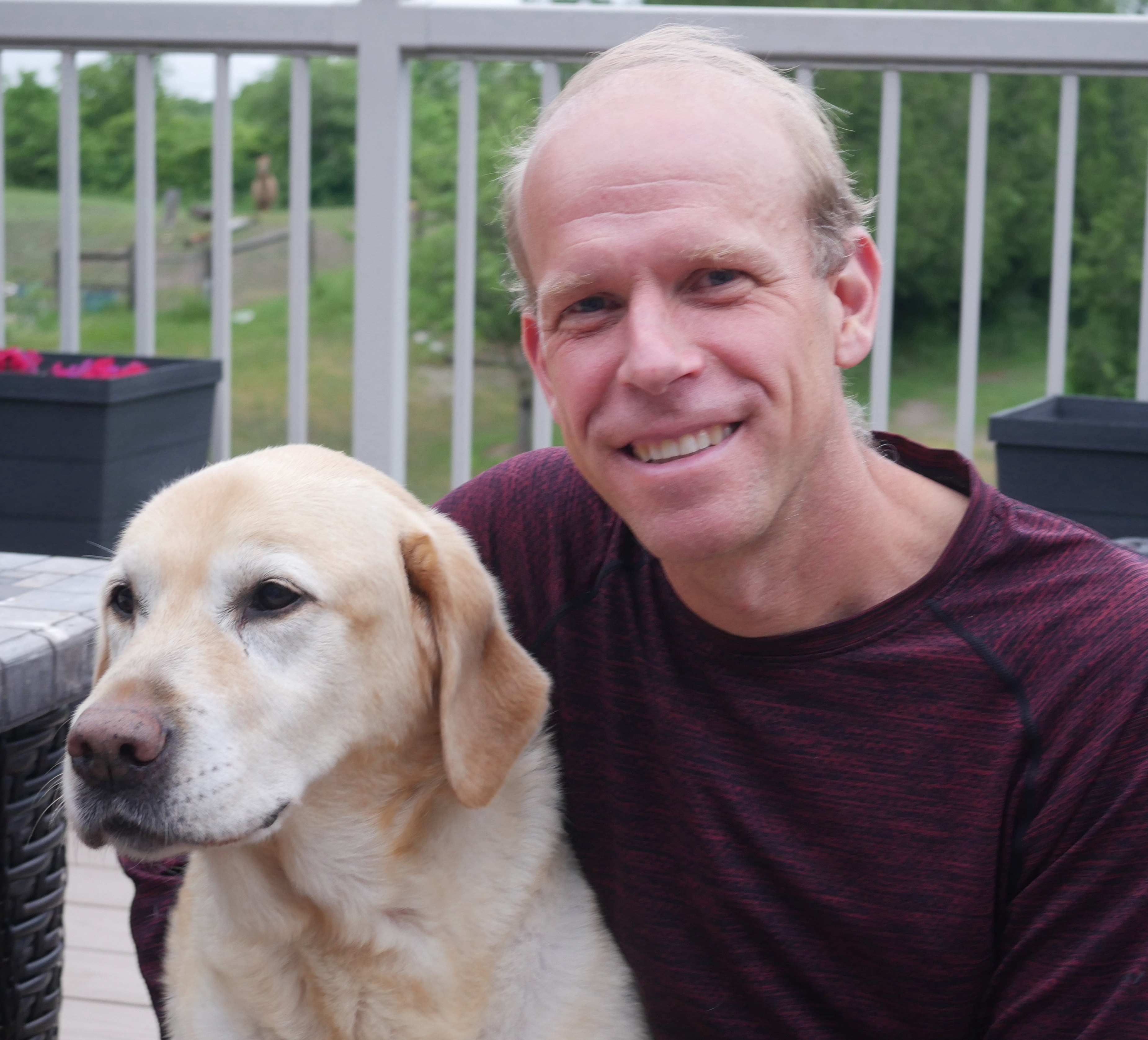
Scott WeeseUniversity of Guelph
Ontario Veterinary College Dr. Weese is a veterinary internist and Professor at the Ontario Veterinary College, University of Guelph, Director of the University of Guelph Centre for Public Health and Zoonoses, Chief of Infection Control at the Ontario Veterinary College Health Sciences Centre. He is Chair of the WHO Advisory Group for Critically Important Antimicrobials in Human Medicine, a member of the Government of Canada’s Advisory Group on AMR, the quadripartite’s AMR Multistakeholder Partnership Platform and the Ontario Public Health Emergencies Scientific Advisory Committee, and a past member of the Quadripartite Global Leaders Group on AMR. He also runs the infectious disease website WormsAndGermsBlog. Antimicrobial use guidelines and lists, and their impact on stewardship and surveillance AbstractThis presentation will outline major antimicrobial drug ranking, prioritization and categorization systems and lists, with a focus on their goals, gaps and how they can be used to support stewardship and surveillance activities. |
| 14:00–14:30 | Lunch Attempt 2 |
| McCain Atrium |
| 14:30–16:00 | Parallel Sessions (12 minute talks) |
|
Population Genomics and Evolution (Scotiabank Auditorium) Chairs: Shannen Grandy, Yuxin Hu |
|
|
|
|
Environmental Sequencing (Ondaatje Theatre) Chairs: Ash Porter, Gustavo Sganzerla Martinez |
|
|
| 16:00–16:10 | Bio Break and Regrouping |
| McCain Atrium |
| 16:10–16:45 | Closing and Prize Giving |
|
Scotiabank Auditorium
Chairs: Herman Barkema, Jane Parmley, Robert Beiko |
|
| Closing statements and prize-giving for best oral presentation (and 2 runner-ups) and best posters. |
| 16:45–18:45 |
|
| Scotiabank Auditorium | |
| This tutorial/table-top exercise will present an outbreak scenario that starts with a small number of initial cases with no known infectious agent. By combining contextual data and contemporary genomic public health investigation approaches we will identify the pathogen and unpick the underlying epidemiology of the outbreak. |